
Introduction
Guardrails are a common sight on highways, bridges, and urban roads—but their importance is often underestimated. These metal barriers play a critical role in keeping drivers safe by preventing vehicles from leaving the road or colliding with dangerous obstacles.
What Is a Guardrail?
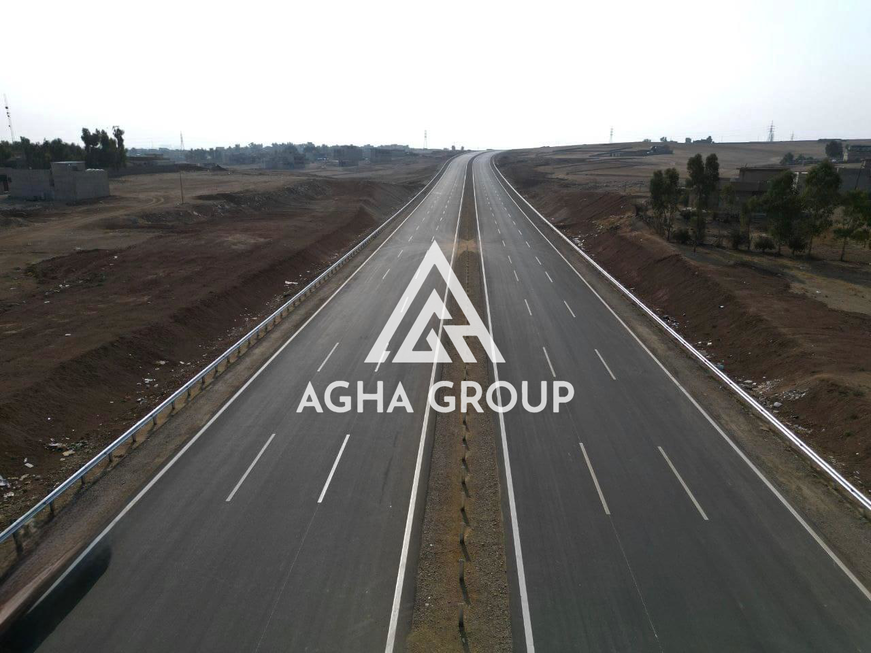
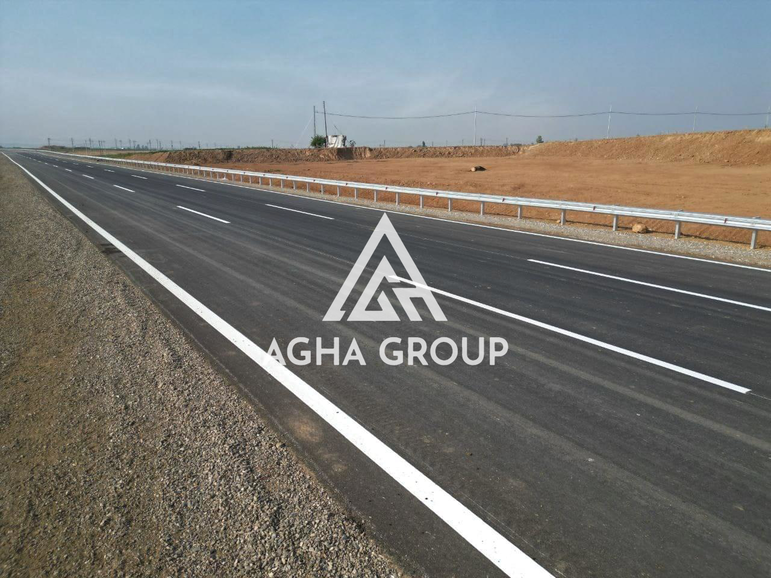
A guardrail is a protective metal barrier installed along road edges, curves, slopes, and bridges to absorb impact during accidents and redirect vehicles safely.
Why Guardrails Are Essential
1. Preventing Road Departure
Most severe accidents happen when a vehicle leaves the road. Guardrails keep drivers within the roadway, especially on:
Sharp curves
Elevated roads
Bridges and overpasses
2. Reducing Impact Force
Guardrails are engineered to bend and absorb impact, protecting passengers from severe collisions.
3. Protecting Pedestrians & Infrastructure
They prevent vehicles from hitting:
Pedestrians
Buildings
Utility poles
Steep drops
4. Weather Protection
In areas with fog or low visibility, guardrails provide visual reference lines to keep drivers guided.
Types of Guardrails
Common guardrail systems include:
W-beam guardrails
Thrie-beam guardrails
Steel and galvanized metal barriers
Bridge guardrails
At Agha Group, we supply high-durability metal guardrails suitable for highways, industrial projects, and municipal infrastructure.
How Guardrails Work During Impact
Guardrails are designed using three engineering principles:
Absorption – The metal bends to absorb crash energy
Redirection – The vehicle is pushed back toward the road
Containment – Prevents vehicles from flipping or rolling
This combination dramatically increases the chance of survival in high-speed accidents.
Conclusion
Guardrails play an essential role in modern road safety systems. By choosing high-quality, properly installed guardrails, infrastructure developers can significantly reduce accident severity and save lives.
Agha Group continues to deliver certified, long-lasting guardrail solutions for highways and critical infrastructure projects.